


-

Add: HeBei ShengShi HongBang Cellulose Technology CO.,LTD.
-

Email
13180486930@163.com -

CONTACT US
+86 13180486930
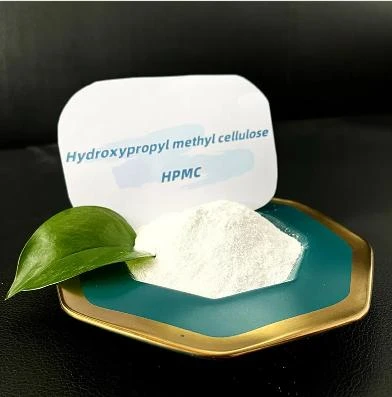
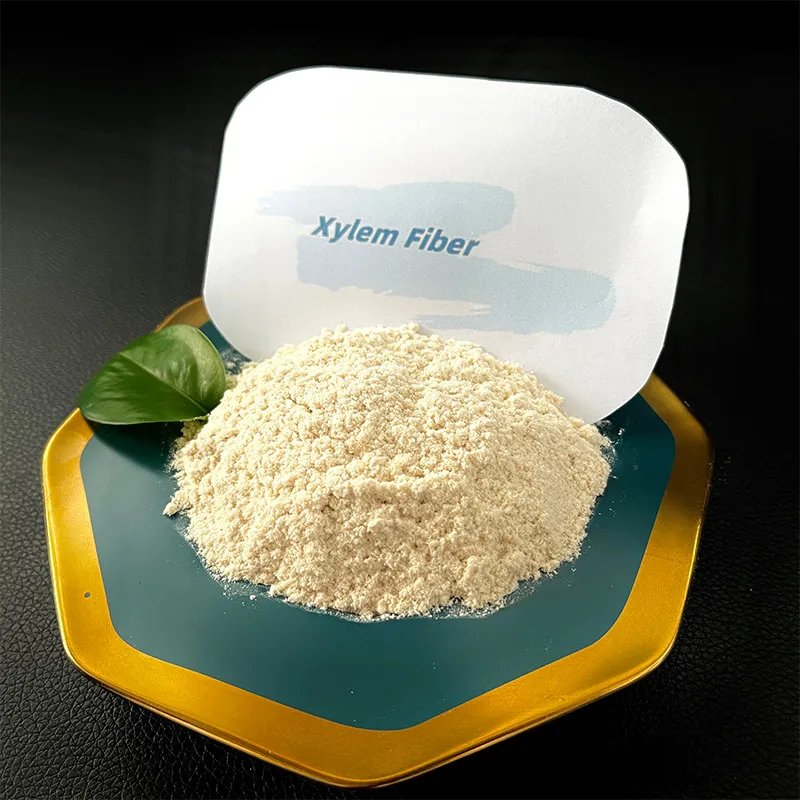
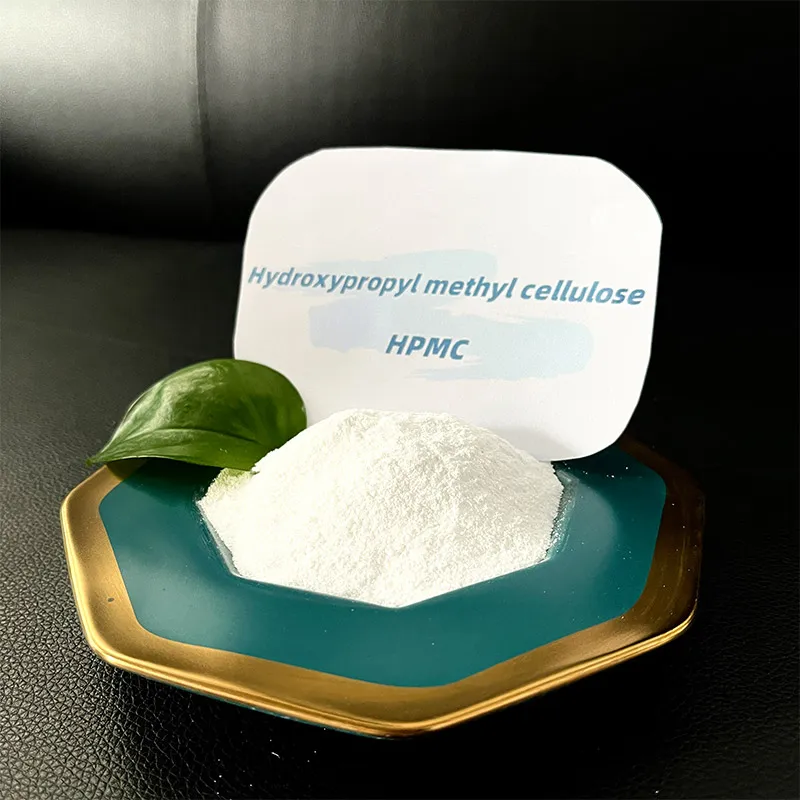
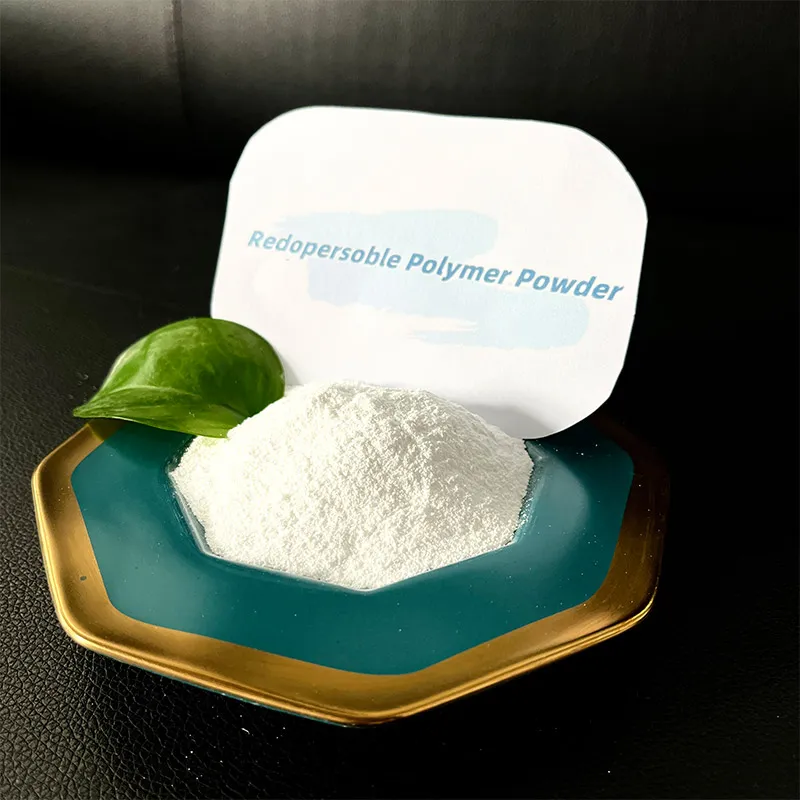
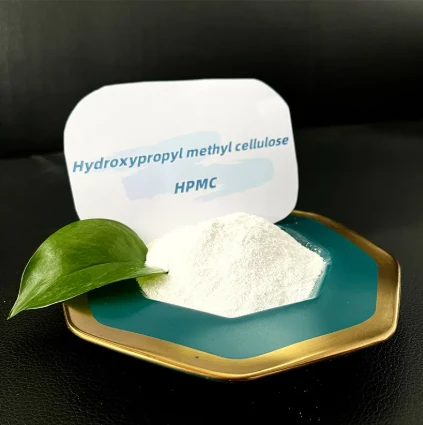
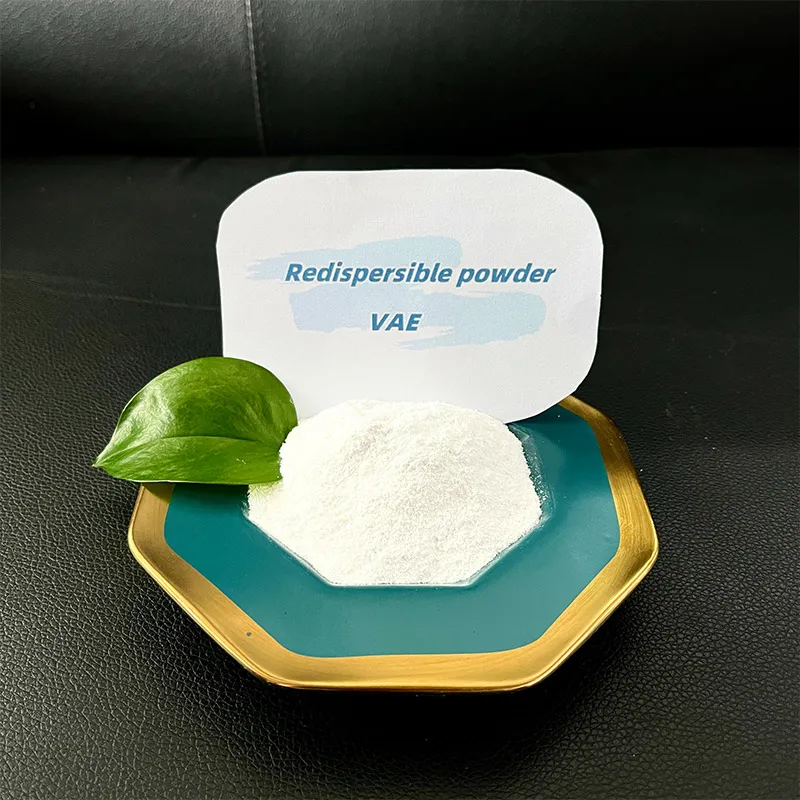


Chemical materials have become an integral part of countless industries, enabling innovations and improving the quality of everyday products. Understanding the relevance and application of these materials can unlock potential for businesses and innovators alike . The chemistry behind these materials, their synthesis, applications, and safety considerations are imperative in establishing authority, expertise, and trustworthiness in the field. At the core of understanding chemical materials lies the expertise in their categorization and application. Chemical materials include polymers, ceramics, alloys, composites, and bio-materials, each playing unique roles in industrial and consumer applications. For instance, polymers such as polyethylene, polystyrene, and polyvinyl chloride are pivotal in the manufacturing of packaging materials, household goods, and clothing. Their versatility stems from customizable properties like flexibility, durability, chemical resistance, and cost-effectiveness. Ceramics, known for their thermal stability and hardness, contribute significantly to the creation of heat-resistant tiles, insulators, and optical materials. Expertise in ceramic engineering can push boundaries in electronics, automotive, and aerospace industries, promoting innovation and efficiency. Alloys, a union of metals, expand possibilities in structural applications due to their enhanced mechanical properties. The expertise in tailoring these alloys for specific applications like automotive parts, medical devices, and construction materials is critical to maintaining a competitive edge. The application of composite materials, which combine two or more constituent materials with differing physical or chemical properties, unveils new prospects in industries requiring lightweight yet strong materials. The aerospace and sporting goods industries benefit immensely from composites like carbon fiber-reinforced polymers due to their superior strength-to-weight ratio. Understanding the material science behind these composites allows for enhanced product performance and sustainability, reinforcing a company's innovative stature. Biomaterials merge the intricacies of biology with material science, creating substances suitable for medical applications such as prosthetics, dental implants, and tissue engineering. The safety standards and biocompatibility of these materials are paramount, demanding stringent testing and compliance with international regulatory bodies. Possessing expertise in biomaterials segments a company as a frontrunner in advancing medical technologies. chemical material The intricacies involved in the synthesis and processing of these chemical materials demand authoritative knowledge and experience. It is not only vital to innovatively synthesize these materials but also to sustainably source, process, and recycle them. Sustainable practices in material science, such as using bio-based polymers or recycled metals, significantly contribute to a company's trustworthiness and appeal in a market increasingly sensitive to environmental impacts. Furthermore, maintaining authoritative credibility requires adherence to high safety and quality standards. Industry certifications and accreditations testify to a company’s commitment to excellence and trust. Establishing trustworthiness involves transparency in sourcing materials, manufacturing processes, and engagement with stakeholders regarding product lifecycle and safety concerns. In a digital landscape where information is abundantly available, demonstrating expertise requires proactive engagement with research and continuous learning. Professionals involved in the development and application of chemical materials must bridge the gap between scientific breakthroughs and practical implementation, presenting information understandable both to peers and consumers. For businesses aiming to establish their expertise and authority, focusing on innovation in chemical materials is crucial. Practical applications explored through research collaborations and partnerships with academic institutions can lead to breakthroughs that redefine industries. Sharing such knowledge through credible platforms effectively positions a company as a leader in chemical materials, enhancing its visibility and reputation in both local and global markets. In conclusion, navigating the vast domain of chemical materials necessitates a blend of expertise, authority, trust, and experience. For companies in this field, this involves not only innovating with materials but also ensuring sustainable, safe, and efficient practices. By doing so, businesses not only contribute to technological advancements but also build a trustworthy brand that resonates with industry peers and consumers alike.
- 40000tons

Production
- 20+years

Experience
- 5000+㎡

Acreage

-

When it comes to versatile materials in various industries, HPMC Hydroxypropyl Methylcellulose stands out as a game-changer. Widely used across construction, pharmaceutical, and food industries, this remarkable compound offers a wide range of benefits. Let’s delve into why HPMC Hypromellose has become a preferred choice for manufacturers and developers. HPMC Cellulose: A Versatile Ingredient for Every Industry At the heart of HPMC Cellulose is its ability to act as a thickener, binder, and film-former. Derived from natural cellulose, it undergoes chemical modification to achieve the unique properties that make it indispensable. In construction, HPMC Cellulose enhances the performance of tile adhesives, plasters, and mortars by improving water retention and workability. In pharmaceuticals, it is a key excipient, offering consistency and safety in drug formulations. Its non-toxic nature and excellent solubility make it ideal for producing tablets, capsules, and even controlled-release medications. Beyond these industries, HPMC Hydroxypropyl Methylcellulose plays a crucial role in food production, serving as a stabilizer and emulsifier for a variety of products. HPMC Hydroxypropyl Methylcellulose: Revolutionizing Construction Materials The construction industry benefits greatly from HPMC Hydroxypropyl Methylcellulose due to its ability to improve the quality and efficiency of building materials. When used in dry mortar mixes, this compound enhances water retention, ensuring better curing and adhesion. This feature is essential for cement-based materials like plasters, grouts, and tile adhesives. Moreover, HPMC Hydroxypropyl Methylcellulose reduces shrinkage and cracking, making it a valuable addition to modern construction techniques. Its compatibility with various additives and fillers makes it versatile, while its eco-friendly nature aligns with the increasing demand for sustainable construction solutions. HPMC Hypromellose in Pharmaceuticals: The Key to Reliable Formulations In the pharmaceutical industry, HPMC Hypromellose is a cornerstone for producing high-quality medicines. Its role as a controlled-release agent ensures that active ingredients are delivered to the body at the right time and rate. This precision is critical for patient compliance and the effectiveness of treatments. Additionally, HPMC Cellulose is often used as a film-coating agent for tablets, offering a smooth, protective surface that enhances the stability and appearance of the final product. Its GRAS (Generally Recognized as Safe) status by the FDA underscores its reliability and safety in medical applications. HPMC Hydroxypropyl Methylcellulose: A Vital Component in Food Production Food manufacturers rely on HPMC Hydroxypropyl Methylcellulose for its exceptional functional properties. As a stabilizer and emulsifier, it ensures that food products maintain their consistency and quality over time. For instance, HPMC Hypromellose is widely used in sauces, dressings, and dairy alternatives to improve texture and prevent separation. This ingredient also plays a significant role in creating gluten-free baked goods. By mimicking the elasticity of gluten, HPMC Cellulose helps deliver soft, moist, and well-structured baked items that appeal to consumers with dietary restrictions. Its versatility and safety make it an ideal choice for innovative food formulations. Why Choose HPMC Hypromellose for Your Needs? Whether you are in construction, pharmaceuticals, or food production, HPMC Hypromellose offers unparalleled advantages. Its multifunctional properties—ranging from water retention and thickening to controlled-release capabilities—make it a valuable asset across various applications. Moreover, HPMC Hydroxypropyl Methylcellulose is cost-effective and environmentally friendly, making it a sustainable choice for industries aiming to minimize their ecological footprint. Its reliability, safety, and compatibility with other ingredients ensure consistent results, even in the most demanding environments. Embrace the benefits of HPMC Cellulose today and elevate the quality and performance of your products. Whether you’re building stronger structures, crafting innovative medications, or creating delectable food items, this versatile compound is the key to success.
-
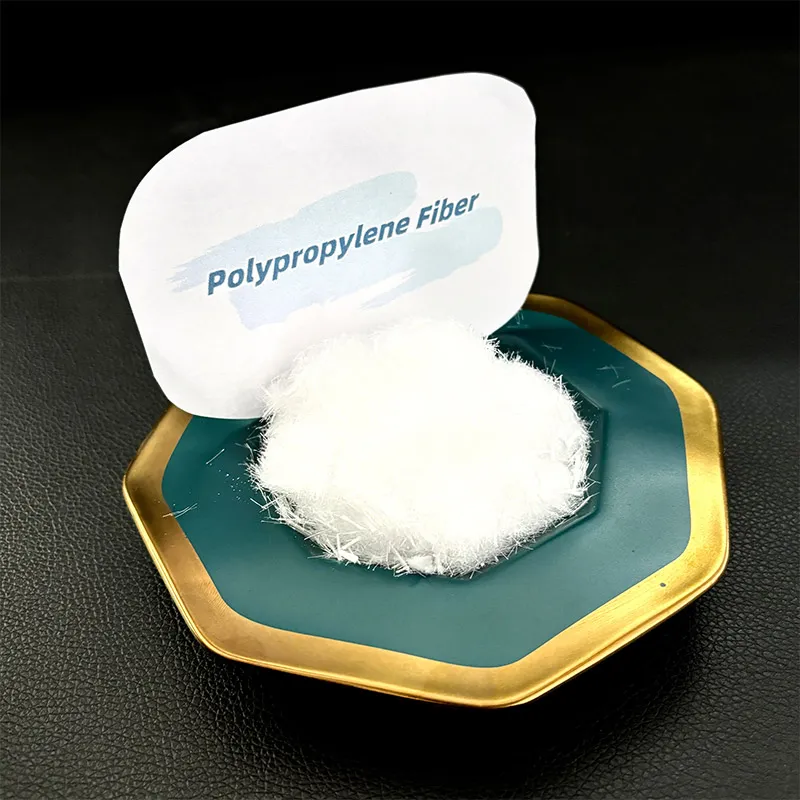
L’idrossipropilmetilcellulosa (HPMC), con il suo grado specifico E5, ha attirato l'attenzione di molti settori, grazie alle sue proprietà uniche, in particolare in ambito farmaceutico e alimentare. La solubilità dell'HPMC E5 in acqua è un tema essenziale per esperti e produttori che cercano di sfruttare appieno il suo potenziale. L'HPMC E5 è noto per la sua eccellente capacità di formare gel e per la sua solubilità variabile che dipende dalla temperatura dell'acqua . A temperature ambiente, l'HPMC E5 si scioglie facilmente, creando una soluzione viscosa. L'aumento della temperatura può influenzare notevolmente la sua solubilità, dato che l'HPMC tende a precipitare se esposto a temperature troppo alte. Questo comportamento unico è sfruttato nei processi industriali per controllare la consistenza e la stabilità delle formulazioni. Gli esperti nel campo dei polimeri riconoscono l'importanza di comprendere le caratteristiche termiche dell'HPMC. Test sperimentali e studi empirici hanno contribuito a delineare un quadro dettagliato della sua solubilità. È stato osservato che, in generale, a temperature inferiori ai 40°C, l'HPMC E5 si dissolve efficientemente, rendendolo ideale per applicazioni che richiedono soluzioni chiare e stabili. Questo suo comportamento è particolarmente apprezzato nell'industria farmaceutica per la produzione di capsule e compresse, dove è fondamentale garantire una dissoluzione coerente e controllata dei principi attivi. La preparazione corretta della soluzione di HPMC E5 è di cruciale importanza per garantire la qualità del prodotto finale. Gli esperti consigliano di aggiungere l'HPMC all'acqua sotto agitazione continua per prevenire la formazione di grumi, seguita da un graduale aumento della temperatura per accelerare la dissoluzione senza superare il punto di intorbidimento. Questa tecnica non solo ottimizza la solubilità, ma mantiene anche l'integrità della soluzione, assicurando così stabilità durante l'intero ciclo di produzione. Nonostante la sua solubilità in acqua, l'HPMC E5 si distingue per la sua stabilità chimica e il suo comportamento inerte, che garantiscono la sicurezza del prodotto in diverse condizioni ambientali e pH. Questo è particolarmente vantaggioso nel settore alimentare per migliorare la consistenza e conservare i nutrienti senza influire sul sapore o sull'aroma. hpmc e5 solubilità in acqua Inoltre, è importante notare che la solubilità dell'HPMC E5 non è influenzata solo dalla temperatura, ma anche dalla qualità dell'acqua. Minerali disciolti e impurità possono alterare la formazione del gel, per cui si raccomanda l'uso di acqua demineralizzata o distillata per ottenere i risultati migliori. Grazie alla sua versatilità e affidabilità, l'HPMC E5 si è affermato come un componente essenziale nei processi di produzione dove la solubilità è una preoccupazione primaria. Le proprietà intrinseche del polimero, combinate con una comprensione approfondita delle condizioni operative ideali, permettono di sviluppare prodotti innovativi e sostenibili che soddisfano gli standard di qualità richiesti dall’industria moderna. Ogni applicazione può richiedere un approccio leggermente diverso per sfruttare necessariamente la solubilità dell'HPMC E5. Fare uso di macchinari avanzati e adottare procedure di controllo qualità migliorano ulteriormente la precisione e l'efficacia dell'uso di questo polimero. Tali pratiche rafforzano non solo la fiducia dei consumatori nei prodotti finiti, ma elevano anche l'intero settore attraverso il rispetto del massimo rigore scientifico e tecnico. In conclusione, la comprensione accurata della solubilità dell'HPMC E5 non è solo un vantaggio tecnologico, ma una necessità per le industrie che cercano di dominare mercati competitivi attraverso l'innovazione e la qualità garantita.
advantages
-

200000 Viscosities
Excellent product
We can produce pure products up to 200,000 viscosities
-

40000 tons
High yield
We don’t stop production all year round, and the annual output can reach 40,000 tons
-

24 hours
Quality service
We provide 24-hours online reception service, welcome to consult at any time
———— Inquiry Form
Schedule A services
-
 orlon_acrylic
Oct . 25, 2025
Methocel F4M, a popular brand of hydroxypropyl methylcellulose (HPMC), stands out as an essential in -
 hpmc-hydroxypropyl_methyl_cellulose_manufacturer
Oct . 25, 2025
In the world of plastering and construction, achieving optimal working time and preventing premature -
 tylose_hpmc
Oct . 25, 2025
Rubber powder, often identified by its industry code as Rubber Powder-821, is garnering attention fo


